
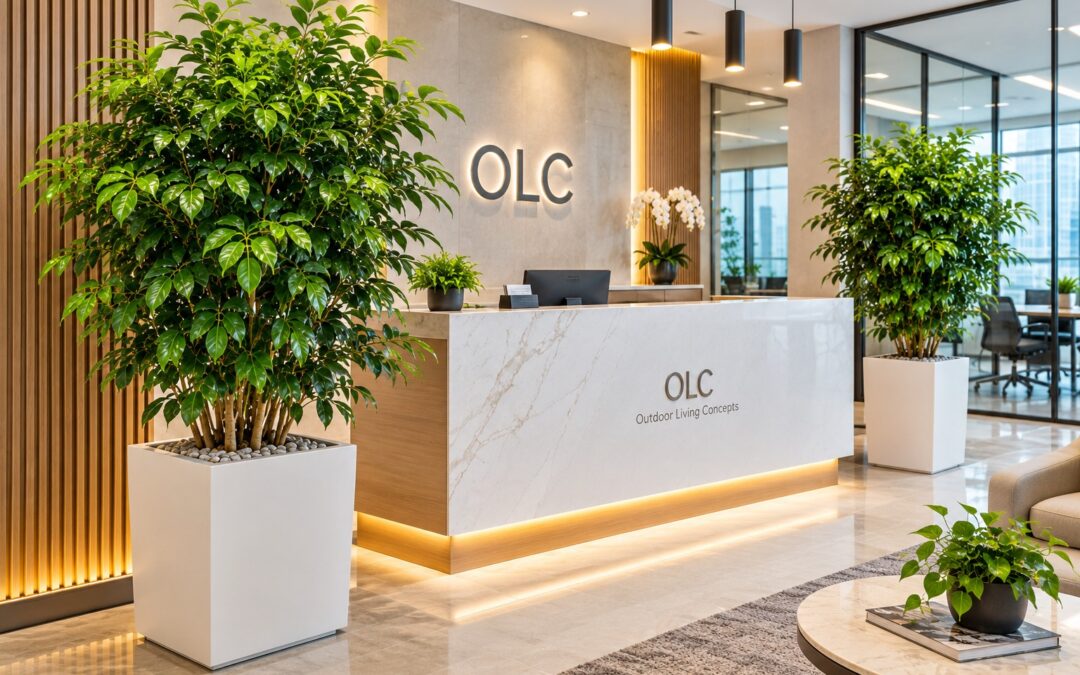
Radermachera sinica, commonly known as the China Doll Plant, is an attractive evergreen plant known for its lush, glossy green foliage and elegant appearance. When properly maintained, it makes a beautiful addition to offices, reception areas, hotels and other indoor commercial spaces.
Its fine foliage gives it a softer appearance than larger-leaved plants such as Ficus elastica, making Radermachera sinica particularly suitable for modern interiors where you want greenery without the plant looking too heavy or overpowering.
Characteristics
Beautiful Glossy Green Foliage
One of the most attractive features of Radermachera sinica is its abundance of small, glossy green leaves. The leaves grow along delicate branches, creating a dense and elegant canopy.
When healthy, the plant has a very fresh and vibrant appearance that can immediately brighten an indoor space.
Bushy and Compact Appearance
With regular pruning, Radermachera sinica can develop into a beautifully bushy plant. This makes it particularly attractive when placed in a decorative floor planter.
Its growth can also be controlled through pruning, allowing it to remain suitable for indoor environments.
Upright Growth
The plant naturally develops an upright form and can become quite tall over time. Indoors, however, regular trimming can maintain it at a practical height.
This makes it useful for filling empty corners, creating visual separation between spaces or adding height to an indoor planting arrangement.
Loves Bright, Indirect Light
Radermachera sinica prefers bright, indirect light.
It can adapt to indoor environments, but placing it in an extremely dark corner is not recommended. A position near a bright window, where it receives plenty of filtered natural light, is ideal.
A Tropical Plant
Originally from subtropical and tropical areas of Asia, Radermachera sinica enjoys warm temperatures and moderate humidity.
Malaysia’s climate suits the plant very well, although indoor air-conditioning needs to be considered when deciding where to position it.
Maintenance
1. Watering
Radermachera sinica prefers its soil to remain slightly moist but never waterlogged.
Check the soil before watering. If the upper few centimetres feel dry, it is generally time to water.
Avoid automatically watering according to a fixed daily schedule. The amount of water required will depend on the plant’s location, temperature, pot size and amount of light it receives.
Overwatering can cause root problems and yellowing leaves, while allowing the soil to become excessively dry may result in leaf drop.
Good drainage is therefore extremely important.
2. Light
Place the plant somewhere with plenty of bright, filtered or indirect light.
Morning sunlight can be beneficial, but prolonged exposure to intense direct afternoon sun may damage or scorch the foliage.
In an office, a position reasonably close to a bright window is usually preferable to a dark interior corner.
3. Temperature & Humidity
Radermachera sinica enjoys warm, relatively stable conditions.
For air-conditioned offices, avoid placing the plant directly underneath an air-conditioning vent. Constant cold and dry air can stress the plant and contribute to leaf drop.
Moderate humidity will help keep the foliage looking healthy and fresh.
4. Pruning
Regular light pruning is one of the best ways to maintain an attractive Radermachera sinica.
Trim excessively long shoots and remove dead, yellow or damaged foliage. Pruning also encourages branching, helping the plant develop a fuller and bushier appearance.
This is particularly important for plants used in offices, where maintaining a neat shape is part of their decorative value.
5. Fertilising
Use a balanced fertiliser periodically during active growth to support healthy foliage.
Avoid excessive fertilising. More fertiliser does not necessarily produce a healthier plant and may damage the roots if applied too heavily.
6. Cleaning the Leaves
Although its leaves are relatively small, dust can gradually accumulate on the foliage.
Occasionally cleaning or gently rinsing the leaves helps maintain their attractive glossy appearance and prevents the plant from looking dull.
For commercial indoor plants, clean foliage can make a surprisingly big difference to the overall presentation.
7. Common Problems
Yellow leaves can be associated with excessive watering or poor drainage.
Leaf drop may occur when the plant experiences sudden environmental changes, insufficient light, inconsistent watering or cold air-conditioning.
Brown or dry leaves can sometimes indicate insufficient water, dry air or excessive direct sunlight.
Occasionally inspect the plant for common indoor pests such as spider mites, mealybugs and scale insects so that any problem can be treated early.
Best Location in an Office
Radermachera sinica works particularly well in:
- Reception and waiting areas
- Bright office corners
- Beside windows with filtered sunlight
- Meeting rooms
- Executive offices
- Hotel and commercial lobbies
- Office lounge areas
- Beside cabinets or feature walls
A healthy Radermachera sinica in a simple white, black or contemporary decorative planter can create a very elegant feature without overwhelming the surrounding interior.
Why We Like Radermachera sinica at OLC
At Outdoor Living Concepts (OLC), we particularly like plants that don’t simply add greenery but actually complement the interior design of a workplace.
Radermachera sinica does this beautifully.
Its fine, glossy foliage provides a completely different appearance from broad-leaved plants such as the Rubber Plant or large palms. It can soften an office environment while still looking neat and professional.
Like most indoor plants, however, the right location and regular maintenance are important.
That is where professional plant rental can make a difference.
With OLC’s office plant rental and maintenance service, we take care of the watering, pruning, cleaning and general health of the plants so that our clients don’t have to.
You enjoy the greenery. OLC takes care of the rest.
Outdoor Living Concepts (OLC)
Bringing greener, fresher and more welcoming spaces into the workplace.